BIRDMAN 1, 1983/84, hanging object, H approx. 120 cm BIRDMAN 2, 1983, electro-kinetic, wood metal, polyurethane, H 160 cm BIRDMAN 3, 1983, electro-kinetic, wood, metal, nylon cloth, polyurethane, H 150 cm Sketches and drawings for BIRDMAN, 1983/84 Kopie aus einem Kirchenblatt: "Der Kampf mit dem Adler" als Grundlage zum "VOGELMANN 1"COPY TAKEN FROM A PARISH MAGAZINE „DER KAPF MIT DEM ADLER“ AS A BASIS FOR VOGELMANN 1 Zeichnungen und Gouachen zum "VOGELMANN", 1983DRAWINGS AND GOUACHES ON „VOGELMANNPROJEKT“, 1983 Zeichnungen und Gouachen zum "VOGELMANN", 1983DRAWINGS AND GOUACHES ON „VOGELMANNPROJEKT“, 1983 Zeichnungen und Gouachen zum "VOGELMANN", 1983DRAWINGS AND GOUACHES ON „VOGELMANNPROJEKT“, 1983 Zeichnungen und Gouachen zum "VOGELMANN", 1983DRAWINGS AND GOUACHES ON „VOGELMANNPROJEKT“, 1983 Zeichnungen und Gouachen zum "VOGELMANN", 1983DRAWINGS AND GOUACHES ON „VOGELMANNPROJEKT“, 1983 Zeichnungen und Gouachen zum "VOGELMANN", 1983DRAWINGS AND GOUACHES ON „VOGELMANNPROJEKT“, 1983 Zeichnungen und Gouachen zum "VOGELMANN", 1983DRAWINGS AND GOUACHES ON „VOGELMANNPROJEKT“, 1983 Zeichnungen und Gouachen zum "VOGELMANN", 1983DRAWINGS AND GOUACHES ON „VOGELMANNPROJEKT“, 1983 Zeichnungen und Gouachen zum "VOGELMANN", 1983DRAWINGS AND GOUACHES ON „VOGELMANNPROJEKT“, 1983 Zeichnungen und Gouachen zum "VOGELMANN", 1983DRAWINGS AND GOUACHES ON „VOGELMANNPROJEKT“, 1983 Zeichnungen und Gouachen zum "VOGELMANN", 1983DRAWINGS AND GOUACHES ON „VOGELMANNPROJEKT“, 1983 Zeichnungen und Gouachen zum "VOGELMANN", 1983DRAWINGS AND GOUACHES ON „VOGELMANNPROJEKT“, 1983 Zeichnungen und Gouachen zum "VOGELMANN", 1983DRAWINGS AND GOUACHES ON „VOGELMANNPROJEKT“, 1983 Zeichnungen und Gouachen zum "VOGELMANN", 1983DRAWINGS AND GOUACHES ON „VOGELMANNPROJEKT“, 1983 Zeichnungen und Gouachen zum "VOGELMANN", 1983DRAWINGS AND GOUACHES ON „VOGELMANNPROJEKT“, 1983 Zeichnungen und Gouachen zum "VOGELMANN", 1983DRAWINGS AND GOUACHES ON „VOGELMANNPROJEKT“, 1983 Zeichnungen und Gouachen zum "VOGELMANN", 1983DRAWINGS AND GOUACHES ON „VOGELMANNPROJEKT“, 1983 Zeichnungen und Gouachen zum "VOGELMANN", 1983DRAWINGS AND GOUACHES ON „VOGELMANNPROJEKT“, 1983 Zeichnungen und Gouachen zum "VOGELMANN", 1983DRAWINGS AND GOUACHES ON „VOGELMANNPROJEKT“, 1983 Zeichnungen und Gouachen zum "VOGELMANN", 1983DRAWINGS AND GOUACHES ON „VOGELMANNPROJEKT“, 1983 Zeichnungen und Gouachen zum "VOGELMANN", 1983DRAWINGS AND GOUACHES ON „VOGELMANNPROJEKT“, 1983 Zeichnungen und Gouachen zum "VOGELMANN", 1983DRAWINGS AND GOUACHES ON „VOGELMANNPROJEKT“, 1983 Zeichnungen und Gouachen zum "VOGELMANN", 1983DRAWINGS AND GOUACHES ON „VOGELMANNPROJEKT“, 1983 Zeichnungen und Gouachen zum "VOGELMANN", 1983DRAWINGS AND GOUACHES ON „VOGELMANNPROJEKT“, 1983 Zeichnungen und Gouachen zum "VOGELMANN", 1983DRAWINGS AND GOUACHES ON „VOGELMANNPROJEKT“, 1983 Zeichnungen und Gouachen zum "VOGELMANN", 1983DRAWINGS AND GOUACHES ON „VOGELMANNPROJEKT“, 1983 Zeichnungen und Gouachen zum "VOGELMANN", 1983DRAWINGS AND GOUACHES ON „VOGELMANNPROJEKT“, 1983 Zeichnungen und Gouachen zum "VOGELMANN", 1983DRAWINGS AND GOUACHES ON „VOGELMANNPROJEKT“, 1983 Zeichnungen und Gouachen zum "VOGELMANN", 1983DRAWINGS AND GOUACHES ON „VOGELMANNPROJEKT“, 1983 Zeichnungen und Gouachen zum "VOGELMANN", 1983DRAWINGS AND GOUACHES ON „VOGELMANNPROJEKT“, 1983 Zeichnungen und Gouachen zum "VOGELMANN", 1983DRAWINGS AND GOUACHES ON „VOGELMANNPROJEKT“, 1983 Zeichnungen und Gouachen zum "VOGELMANN", 1983DRAWINGS AND GOUACHES ON „VOGELMANNPROJEKT“, 1983 Zeichnungen und Gouachen zum "VOGELMANN", 1983DRAWINGS AND GOUACHES ON „VOGELMANNPROJEKT“, 1983 Zeichnungen und Gouachen zum "VOGELMANN", 1983DRAWINGS AND GOUACHES ON „VOGELMANNPROJEKT“, 1983 Zeichnungen und Gouachen zum "VOGELMANN", 1983DRAWINGS AND GOUACHES ON „VOGELMANNPROJEKT“, 1983 Zeichnungen und Gouachen zum "VOGELMANN", 1983DRAWINGS AND GOUACHES ON „VOGELMANNPROJEKT“, 1983 Zeichnungen und Gouachen zum "VOGELMANN", 1983DRAWINGS AND GOUACHES ON „VOGELMANNPROJEKT“, 1983 Zeichnungen und Gouachen zum "VOGELMANN", 1983DRAWINGS AND GOUACHES ON „VOGELMANNPROJEKT“, 1983 Zeichnungen und Gouachen zum "VOGELMANN", 1983DRAWINGS AND GOUACHES ON „VOGELMANNPROJEKT“, 1983 Zeichnungen und Gouachen zum "VOGELMANN", 1983DRAWINGS AND GOUACHES ON „VOGELMANNPROJEKT“, 1983 Zeichnungen und Gouachen zum "VOGELMANN", 1983DRAWINGS AND GOUACHES ON „VOGELMANNPROJEKT“, 1983 Zeichnungen und Gouachen zum "VOGELMANN", 1983DRAWINGS AND GOUACHES ON „VOGELMANNPROJEKT“, 1983 Zeichnungen und Gouachen zum "VOGELMANN", 1983DRAWINGS AND GOUACHES ON „VOGELMANNPROJEKT“, 1983 Zeichnungen und Gouachen zum "VOGELMANN", 1983DRAWINGS AND GOUACHES ON „VOGELMANNPROJEKT“, 1983
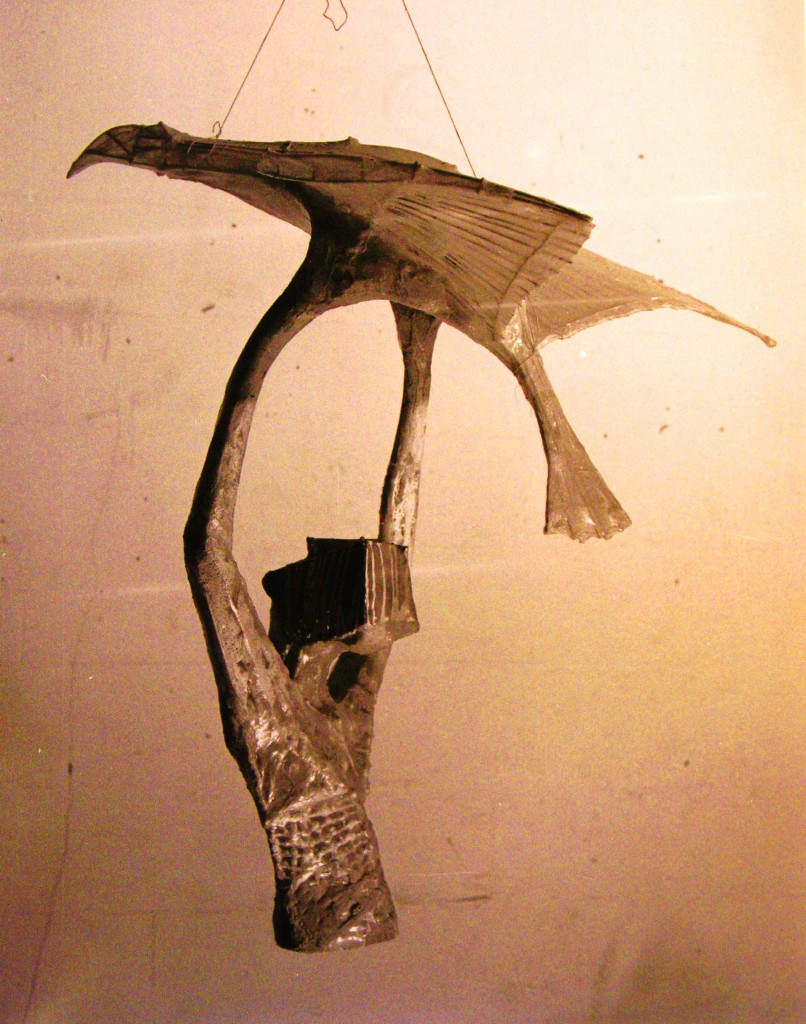 BIRDMAN 1, 1983/84, hanging object, H approx. 120 cm
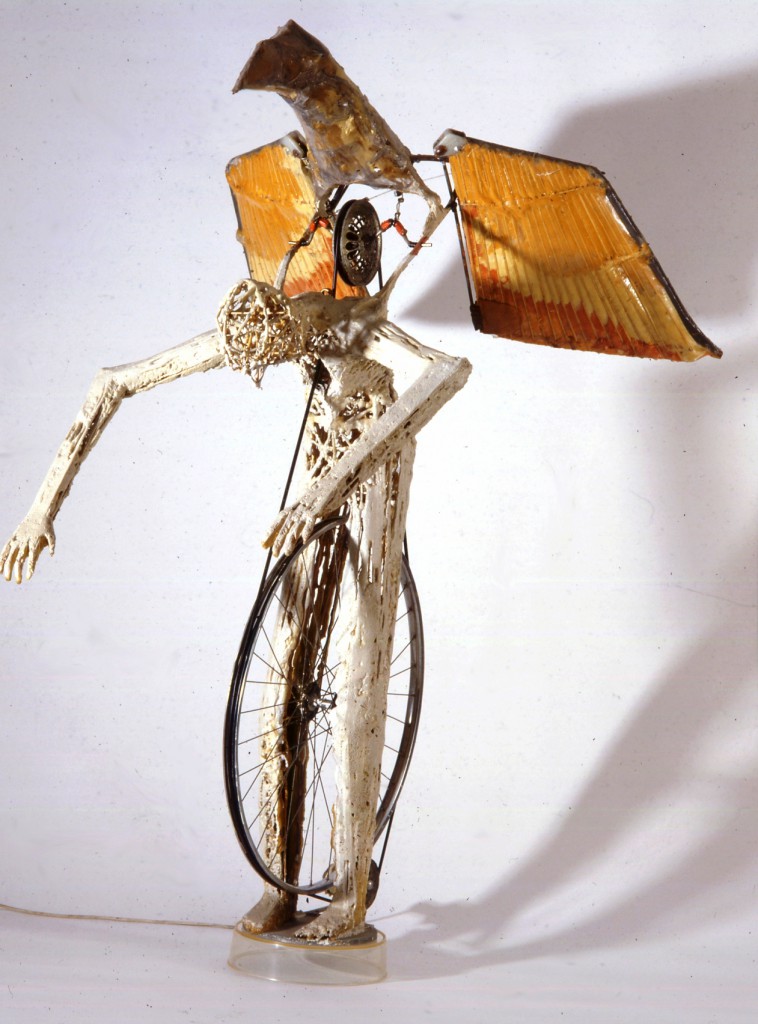 BIRDMAN 2, 1983, electro-kinetic, wood metal, polyurethane, H 160 cm
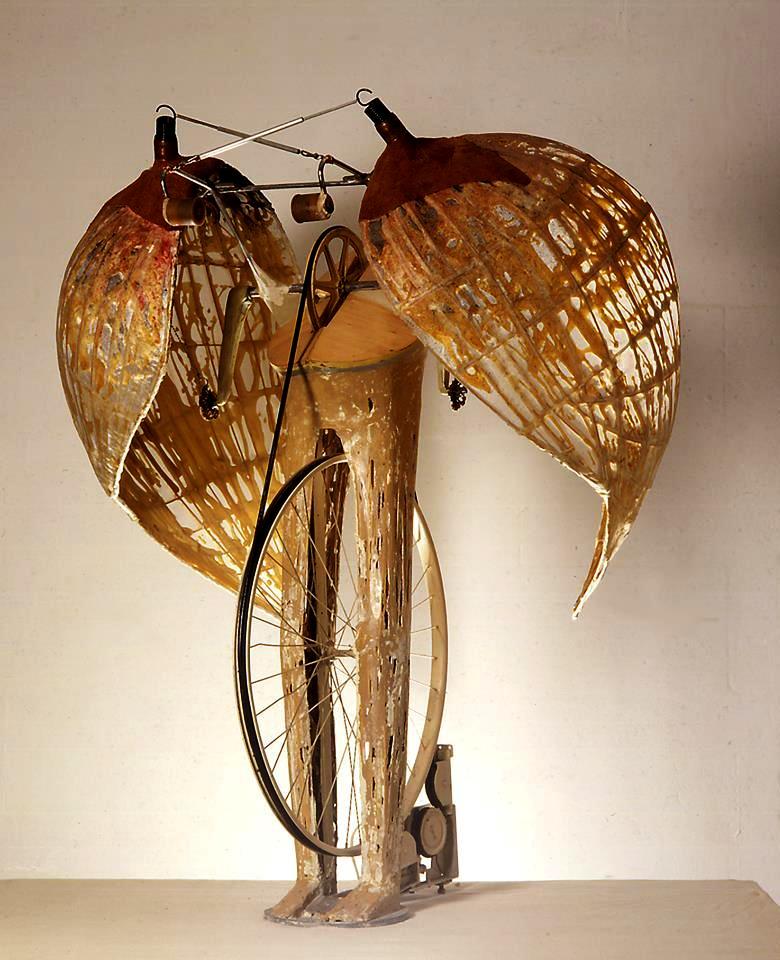 BIRDMAN 3, 1983, electro-kinetic, wood, metal, nylon cloth, polyurethane,